
A complete guide to the chemical peel process day by day
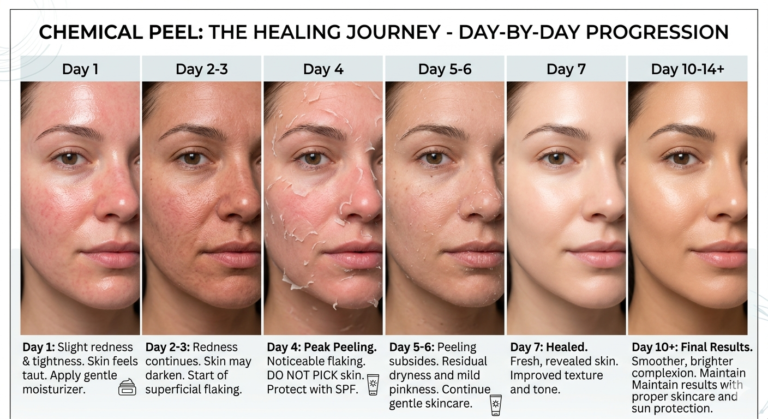
Healthy, radiant skin rarely happens overnight. Many patients exploring advanced skin treatments often ask what truly happens after a chemical peel and how their skin will heal over time. Understanding the chemical peel process day by day helps patients prepare for the changes their skin will go through and ensures realistic expectations about recovery and results.
At Bella Phi, chemical peels are commonly recommended to improve skin texture, reduce pigmentation, minimise acne scars, and promote a brighter complexion. While the treatment itself may take less than an hour, the chemical peel healing process unfolds gradually over several days as the skin renews itself.
This guide explains the chemical peel process day by day, what patients can expect during recovery, and how proper chemical peel aftercare can support optimal results.
What is a chemical peel?
A chemical peel is a dermatological treatment that uses specialised solutions to remove the outermost layers of the skin. By triggering controlled exfoliation, the procedure encourages new, healthier skin cells to replace older, damaged ones.
Depending on the skin concern and the strength of the solution used, peels may be:
- Superficial peels – mild exfoliation using acids such as glycolic acid
- Medium peels – deeper exfoliation targeting pigmentation and wrinkles
- Deep peels – intensive treatments that penetrate deeper layers of skin
Many aesthetic specialists perform glycolic acid chemical peel process day by day treatments because glycolic acid is effective yet relatively gentle compared with stronger formulations.
According to dermatology research, chemical peels are among the most widely performed cosmetic procedures globally, with thousands of treatments performed each year to address pigmentation, acne scars, and uneven skin tone.
Understanding the chemical peel stages
The healing stages of chemical peel may vary depending on peel strength, but the skin generally follows a predictable healing pattern.
The process involves three main phases:
- Immediate reaction phase – redness and sensitivity begin after treatment
- Peeling phase – visible flaking or shedding of skin occurs
- Regeneration phase – fresh skin appears brighter and smoother
When patients understand these stages, it becomes easier for them to interpret the chemical peel before and after changes more confidently.
The chemical peel process day by day explained
The chemical peel process day by day often surprises first-time patients. While results can vary, most superficial and medium peels follow a similar timeline.
Chemical peel day 1: Immediate post-treatment reaction
On chemical peel day 1, the skin usually appears:
- Slightly red
- Tight or warm
- Mildly sensitive
For some patients, the feeling is comparable to a mild sunburn. During this stage, the skin barrier is temporarily weakened, making chemical peel aftercare particularly important.
Patients are usually advised not to apply heavy skincare products immediately and to avoid touching or rubbing the treated area.
Chemical peel day 2: Early skin dryness
By chemical peel day 2, dryness becomes more noticeable.
Common symptoms include:
- Tightness
- Mild flaking around the nose or mouth
- Slight dullness
The outer skin layer begins separating from the fresh skin underneath. This is a normal part of the recovery chemical peel process day by day.
Days 3-4: Visible peeling phase
This stage is where most patients notice obvious peeling.
During days three and four:
- Thin sheets or flakes of skin begin to shed
- Skin may look patchy or uneven
- Peeling usually occurs around the mouth, chin, and cheeks first
This stage represents the most active part of the chemical peel healing process.
Patients should never pick or pull peeling skin, as this can lead to irritation, infection, or hyperpigmentation.
Days 5-7: Skin regeneration begins
By the end of the first week, most of the peeling subsides.
The 1 week chemical peel process day by day typically reveals:
- Brighter skin tone
- Improved smoothness
- Reduced dullness
Many patients comparing 1 week chemical peel day by day pictures notice a clear improvement in radiance and texture.
However, mild redness may persist for several additional days.
Typical chemical peel recovery timeline
Day | Skin changes | What patients may feel |
Day 1 | Redness and warmth | Tight, slightly sensitive skin |
Day 2 | Dryness develops | Mild flaking begins |
Days 3-4 | Visible peeling | Skin shedding, patchy appearance |
Days 5-7 | Peeling reduces | Fresh skin begins appearing |
After 1 week | Skin renewal stage | Brighter, smoother complexion |
For stronger treatments, such as a deep chemical peel process day by day, healing may take significantly longer, sometimes up to two weeks or more.
How long is a chemical peel recovery?
Many patients ask how long is a Chemical Peel Process Day By Day recovery period.
Recovery depends on the peel strength:
- Superficial peel: 3-7 days
- Medium peel: 7-10 days
- Deep peel: 10-14 days or longer
Most patients experience noticeable improvements within the chemical peel healing time of the first week.
When to wash face after chemical peel
One common concern patients have is when to wash face after chemical peel treatment.
In most cases:
- Gentle cleansing is allowed 12-24 hours after treatment
- Only mild, non-exfoliating cleansers should be used
- Hot water and harsh scrubs must be avoided
At Bella Phi, patients receive personalised guidance to ensure their chemical peel aftercare routine supports safe and effective healing.
Also Read – How often should you get a facial to See Real Results
Chemical peel aftercare tips for better healing
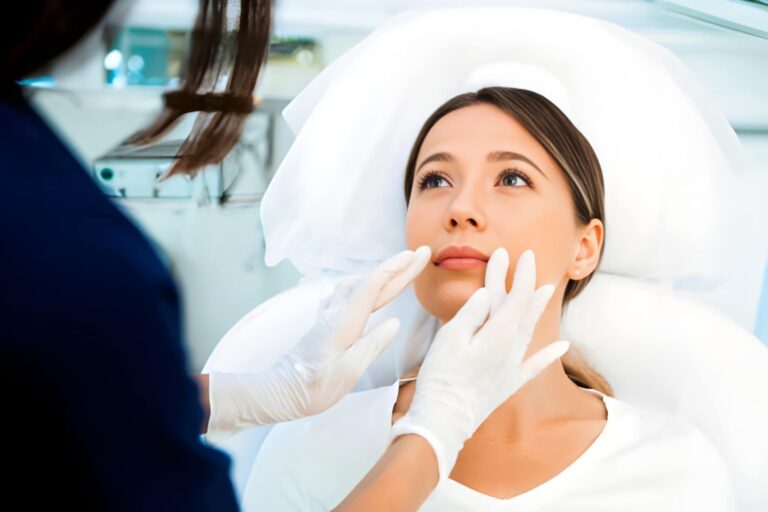
Proper aftercare significantly influences the chemical peel healing process.
Patients are usually advised to:
- Use a gentle, fragrance-free moisturiser
- Apply broad-spectrum sunscreen daily
- Avoid exfoliating products for several days
- Stay hydrated to support skin regeneration
- Avoid direct sun exposure during healing
Following these steps helps the chemical peel process day by day while minimising irritation.
What results can patients expect after healing?
Once the peeling stage completes, most patients notice improvements such as:
- Smoother skin texture
- Reduced pigmentation
- Brighter complexion
- Improved tone and clarity
For patients seeking noticeable skin rejuvenation without surgery, chemical peels remain one of the most trusted dermatological treatments worldwide.
Understanding the chemical peel process day by day helps patients feel prepared
Knowing the chemical peel process day by day allows patients to approach treatment with confidence and realistic expectations. While mild redness and peeling are part of the normal chemical peel healing process, they are signs that the skin is actively renewing itself.
With the right chemical peel aftercare, most patients begin to see smoother, brighter skin within the first week. Understanding the stages from chemical peel day 1 through the 1-week chemical peel process day by day helps ensure a comfortable recovery and optimal results.
If you are considering a chemical peel and would like personalised guidance, the specialists at Bella Phi can help determine the most suitable treatment for your skin concerns.
Book a consultation with Bella Phi today to explore safe, clinically guided skin rejuvenation treatments.
FAQ's On Chemical Peel Process Day By Day
Usually, after 2–4 weeks, depending on the skin type, treatment goals, and the type of peel used, the chemical peel process day by day becomes visible.
Most patients need 3–6 sessions for optimal results, spaced a few weeks apart.
Skin generally heals within 5–7 days for mild peels, though redness may last slightly longer during the chemical peel process day by day.
Makeup can usually be applied after 24–48 hours, once the skin irritation has settled.
Skin often looks brighter and smoother within 5–7 days as new skin cells appear.
Yes, daily sunscreen is essential to protect the new skin and prevent pigmentation.
Yes, chemical peel process day by day shows how chemical peels help improve acne scars, uneven tone, and pigmentation by promoting skin renewal.
About Bellaphi
At BellaPhi, the premier cosmetic clinic in Sharjah we offer a comprehensive selection of advanced cosmetology and dermatology treatments, all tailored to help you reach your aesthetic ambitions. We strive to restore your natural beauty through safe innovative techniques and non-invasive strategies.
Recent Blogs

How long does Lip Filler last? Everything you need to know
How long does Lip Filler last? Everything you need to know Full, well-defined lips have become one of the most requested aesthetic enhancements in recent
Facial Asymmetry Explained: Why Is One Side Of My Face Fatter?
Facial Asymmetry Explained: Why Is One Side Of My Face Fatter? Have you ever looked in the mirror and wondered, why is one side of
How many units of Botox for forehead?
How many units of Botox for forehead? If you are considering a cosmetic treatment to smooth out your upper face lines, you are likely wondering:

ABOUT THE AUTHOR
Dr. Mahesh Kumar
10+ Years of Experience | Aesthetic & Wellness Specialist | Advanced Skin & Hair Expert | Personalised Treatment Approach | Modern Cosmetic Solutions | Patient-Focused Care
Dr. Mahesh Kumar is an experienced aesthetic and wellness specialist known for providing advanced skin, hair, and cosmetic treatments with a personalised approach. His expertise includes non-surgical aesthetic procedures, anti-aging treatments, hair restoration, and skin rejuvenation therapies designed to support natural-looking and long-lasting results.
By combining modern technology with evidence-based treatment approaches, Dr. Mahesh Kumar focuses on enhancing patient confidence and overall well-being through customised care plans tailored to individual needs. His patient-focused philosophy prioritises safety, comfort, and effective treatment outcomes.
At Bellaphi, Dr. Mahesh Kumar offers premium aesthetic care using advanced techniques and modern cosmetic procedures in a professional and welcoming environment.
Disclaimer
All content, images, and media on this page are created and published for informational and educational purposes only. It is not intended to replace professional medical advice, diagnosis, or treatment and should not be considered as personal healthcare guidance. For accurate diagnosis, treatment recommendations, and aesthetic consultation, please meet Dr. Mahesh Kumar personally at Bellaphi.
Medically reviewed by Dr. Mahesh Kumar